Πανεπιστήμιο Των Ορέων

University of Mountains

FAITH, TRADITION AND COMMUNITIES IN HARMONY WITH NATURE.

Since 2008, the University of the Mountains connects researchers, scientists, and rural people to keep the mountains, values, and soul of Crete alive—where scientific knowledge meets experiential practice.
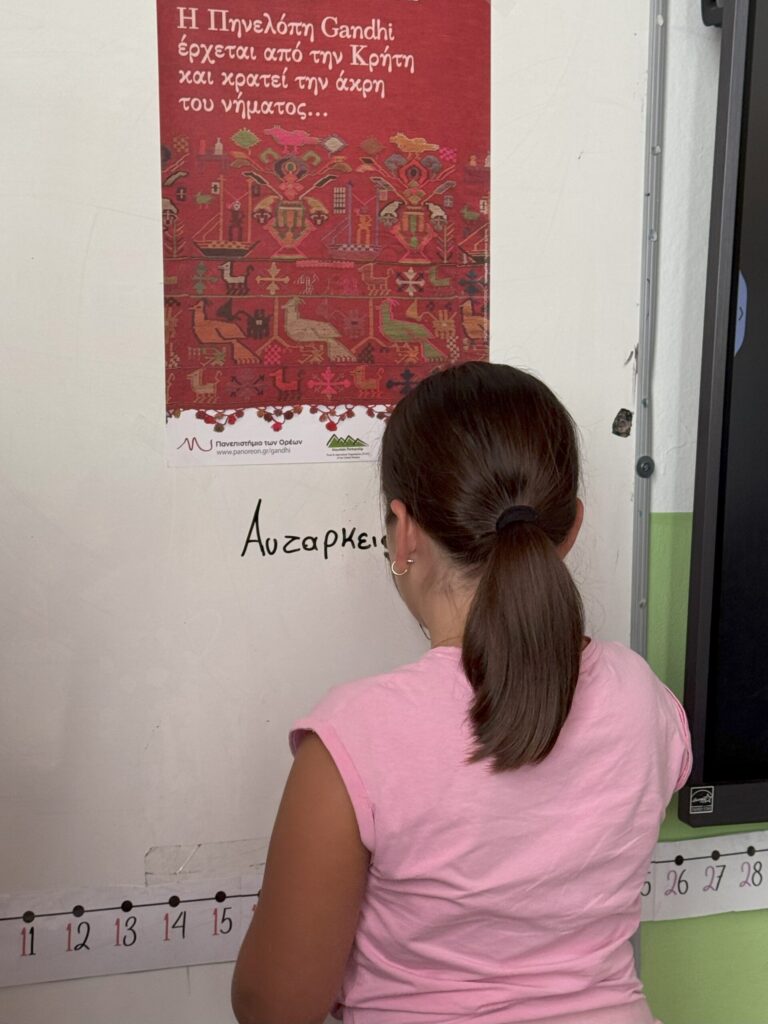
Mission “Penelope Gandhi”

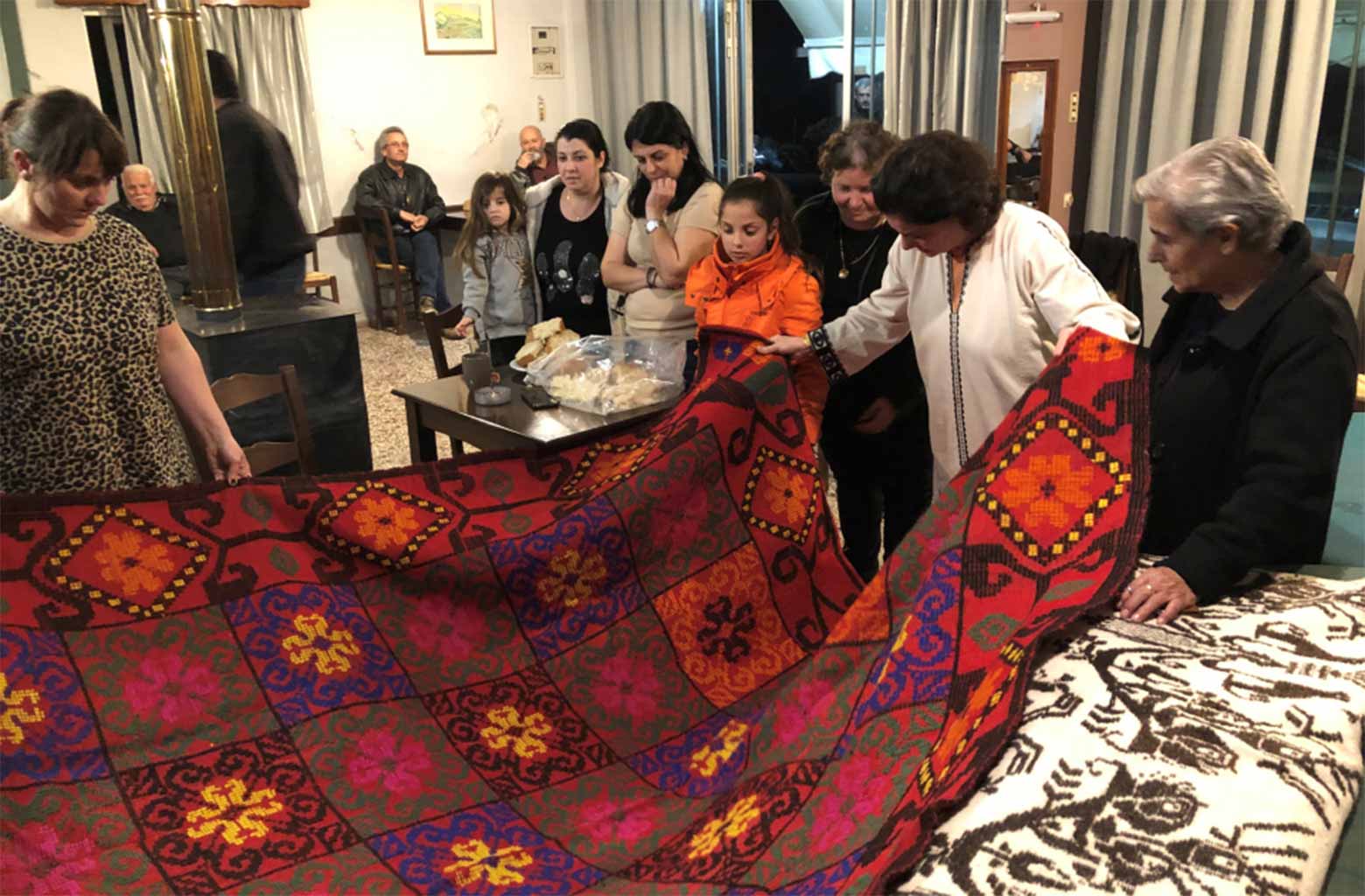
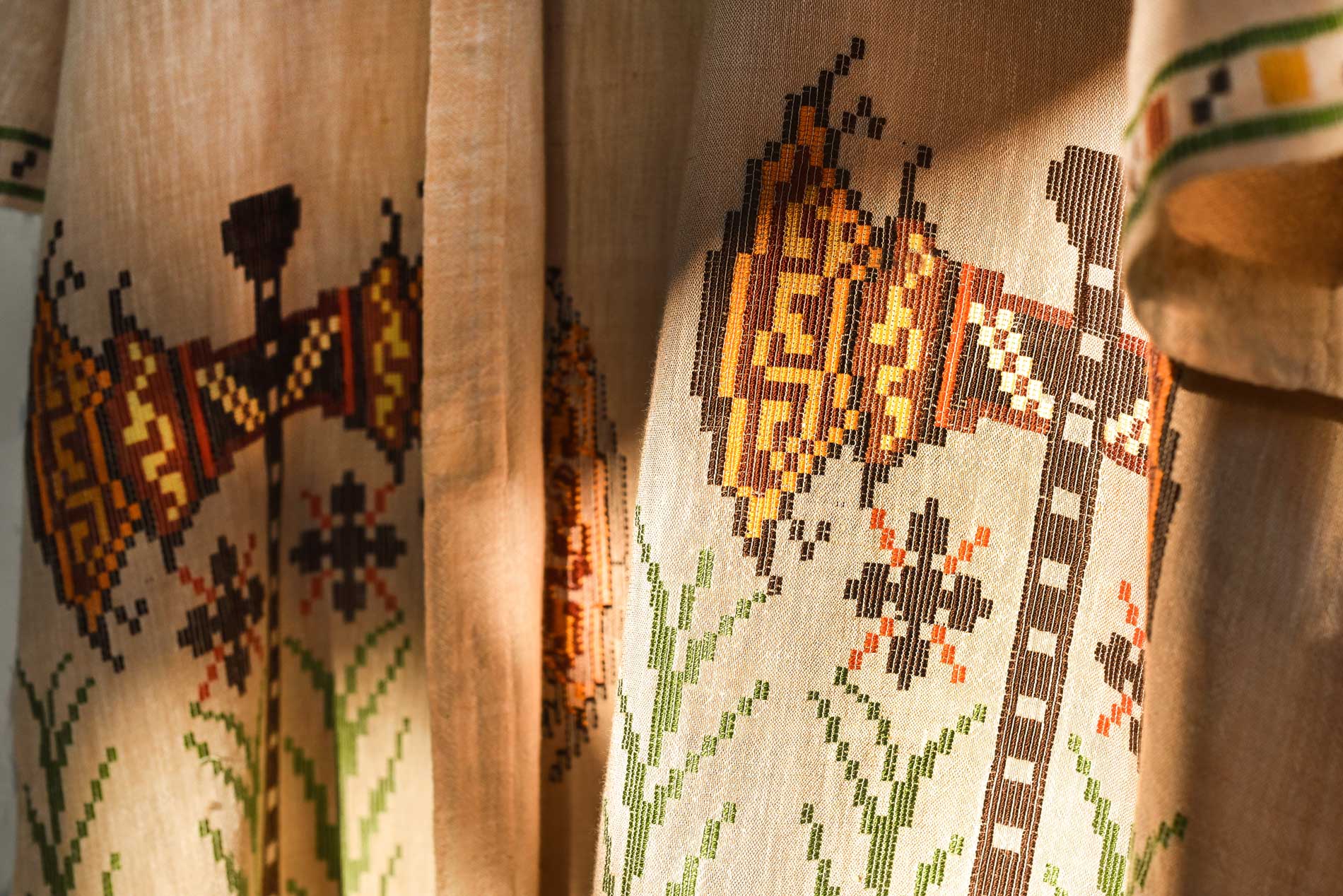
The art of weaving as a bridge between culture and freedom.

17+ Years of History

Since 2008, a community of people has been bringing together scientific knowledge and lived experience, bringing hope across Greece.

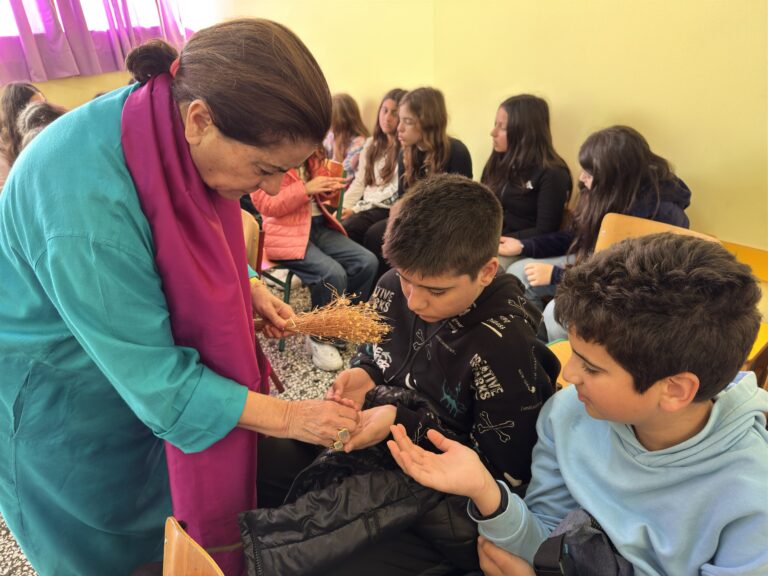
Weaving in the schools of Crete

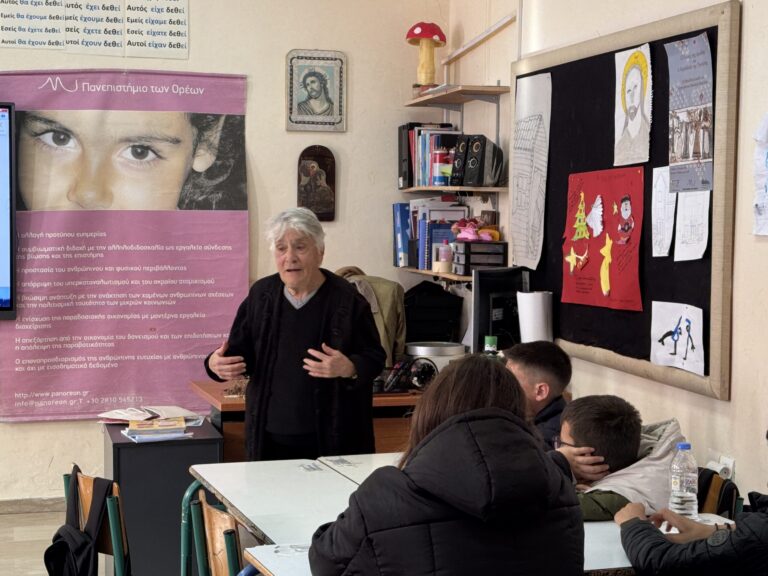
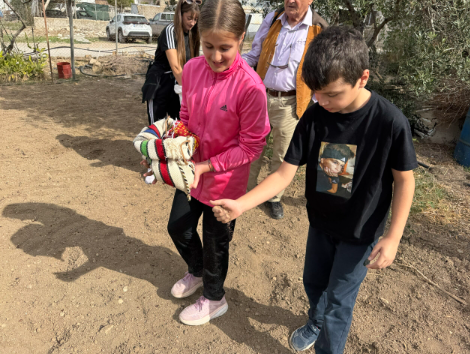
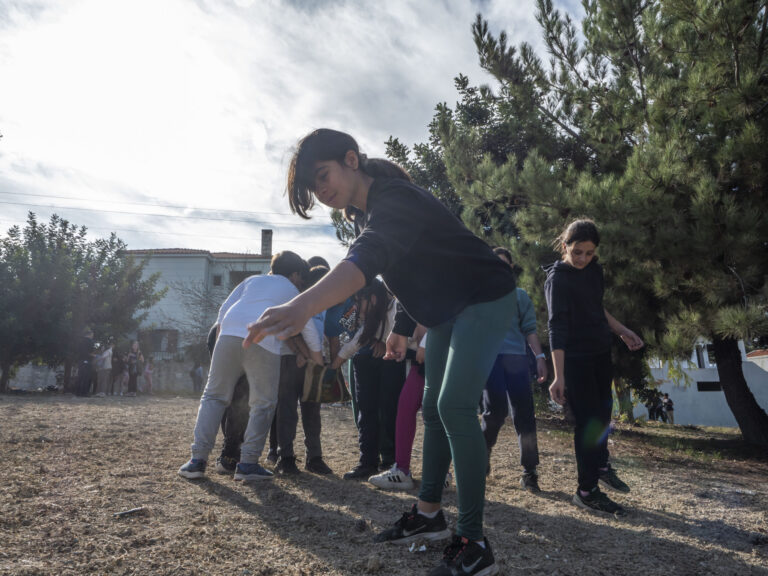
Students learn the power of tradition through experiential programs that bring the loom to the classroom and knowledge into practice.

Exhibitions and collaborations internationally

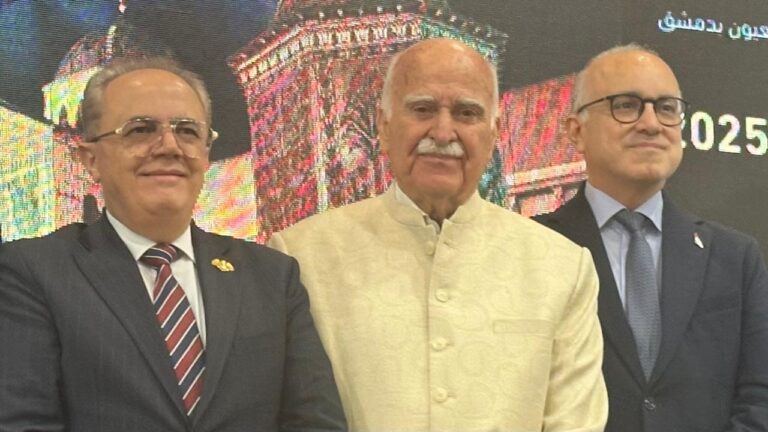
Penelope Gandhi travels to Greece and abroad, promoting weaving as a bridge of culture, peace and freedom.

University of the Mountains Activities 2024-2025

New initiatives for education, culture and health in the mountainous areas of Crete.


Festival of the Thread, Mylopotamos, Rethymno

A celebration dedicated to the art of weaving, to the women of the place and to the intangible cultural heritage of Crete.


The University of the Mountains through its action

Since 2008, the University of the Mountains has been uniting scientists, students and residents of mountainous areas. Through educational, health and cultural activities, it proves that knowledge can change lives — even in the most remote parts of Crete.

Years of volunteering
0 +
Educational interventions in schools
0 +
Active volunteers and partners
0 +
Bylaws of the University of the Mountains

Areas of action and learning

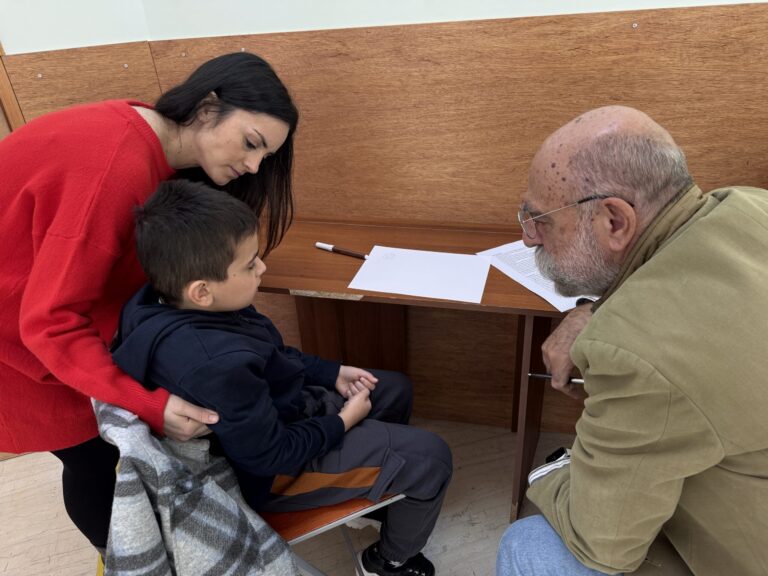
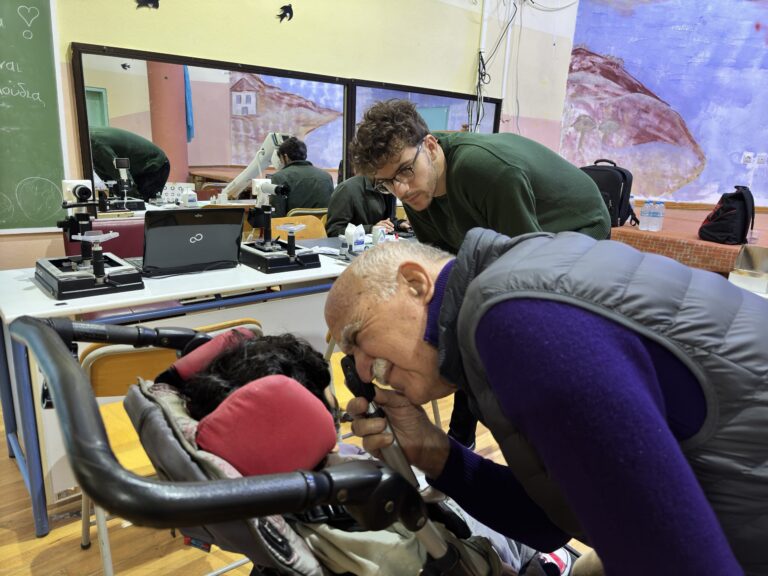
Through experiential actions and programs throughout Crete, the University of the Mountains connects knowledge with people, strengthening education, health, culture and social cohesion.

Education & Learning

Culture & Tradition

Health & Social Welfare

With collaboration, solidarity and knowledge, we change lives in practice.

The University of the Mountains is not a “theoretical” university. It is a community of people who share the desire to give — through actions that combine science, culture, and people.

A community that learns, teaches and creates.

Solidarity

Learning

Surrender

Humanity

Confidence

Unity

FAQ

Frequently asked questions

Learn more about the work, philosophy and actions of the University of the Mountains. Below are answers to the most frequently asked questions about our participation, operation and mission.

The University of the Mountains is a voluntary, non-profit organization based in Crete. Since 2008, it has been uniting universities, researchers and residents of mountainous areas to bring university knowledge closer to society and support life in the countryside.

It is not a "normal" university. It is a community that operates on the basis of mutual teaching, everyone has something to learn and something to teach (scientists, students, farmers and craftsmen meet, share knowledge and "build" bonds).

You can participate in the actions of the University of the Mountains as a volunteer, offering your time, knowledge and skills — either by physically being present at missions and actions, or by supporting educational programs, speeches, workshops and mentoring, or by helping to organize and provide material support to communities. To express your interest and be informed about the next actions, you can contact: Email: panoreon@panoreon.gr Phone: 2810 394644

The University of the Mountains is funded exclusively by voluntary contributions and the support of people who believe in its work. It does not receive state, EU (European) or other public funding. Every contribution—small or large—goes directly to the implementation of the actions (research & documentation, materials and expedition travel, educational programs/workshops, and support for volunteer groups and tools).

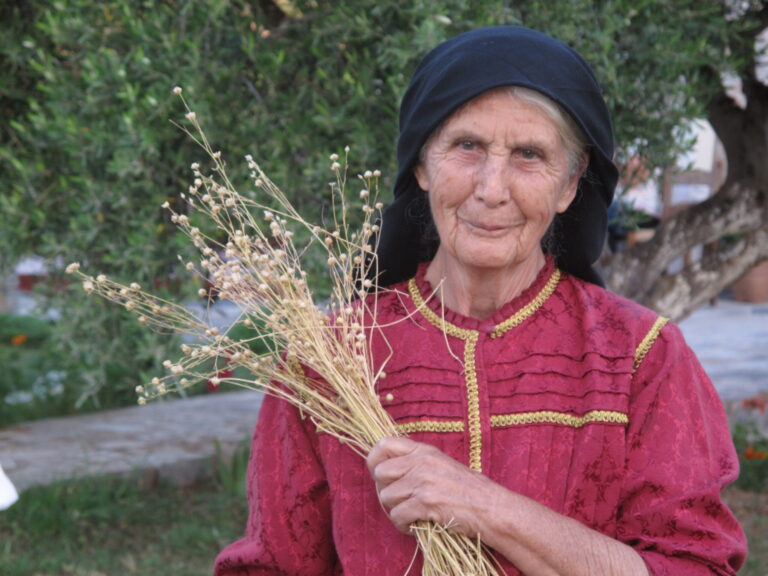
The Penelope Gandhi Mission is a pioneering initiative of the University of the Mountains, inspired by the Penelope of antiquity and Mahatma Gandhi. Its goal is to revive and highlight the divine art of weaving, not only as a tradition but also as a tool for culture, education and sustainable development.